Land Use
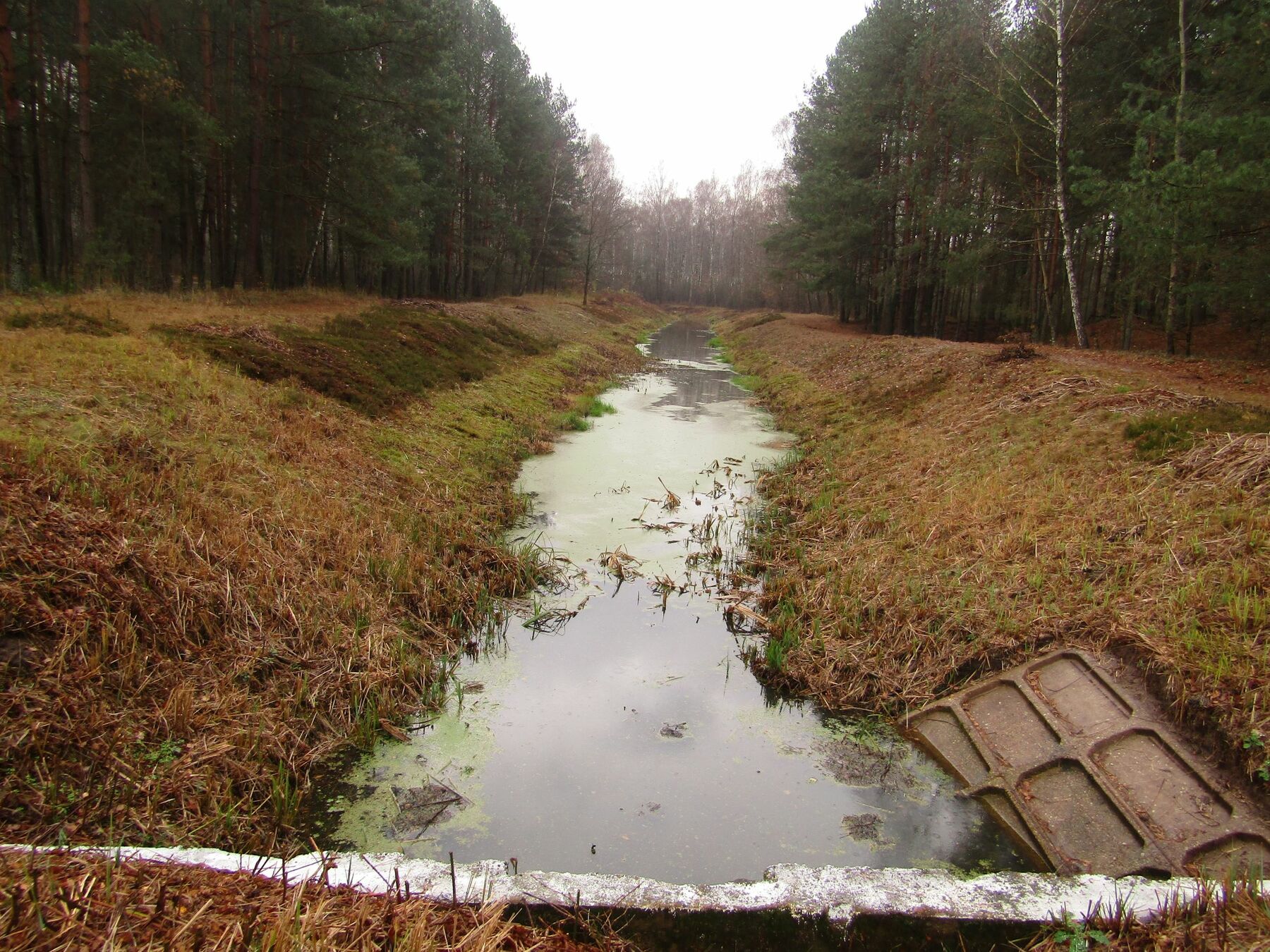
Across many regions of Ukraine, decades of excessive and poorly managed resource use have placed immense strain on the natural environment. Large areas of land were converted for agriculture, and extensive drainage systems were built to remove water from wetlands. While intended to boost productivity, these interventions disrupted the landscape’s natural “sponge” function - its ability to absorb, store, and gradually release water.
As wetlands were simplified into drainage networks, habitats were destroyed and water ecosystems became fragmented. Today, these altered landscapes are far less resilient. They struggle to retain moisture during dry periods and cannot effectively absorb heavy rainfall, increasing the risk of both droughts and flash floods.
What was once considered progressive land management has become a key factor in regional hydrological instability, making communities and ecosystems more vulnerable in the face of climate change.
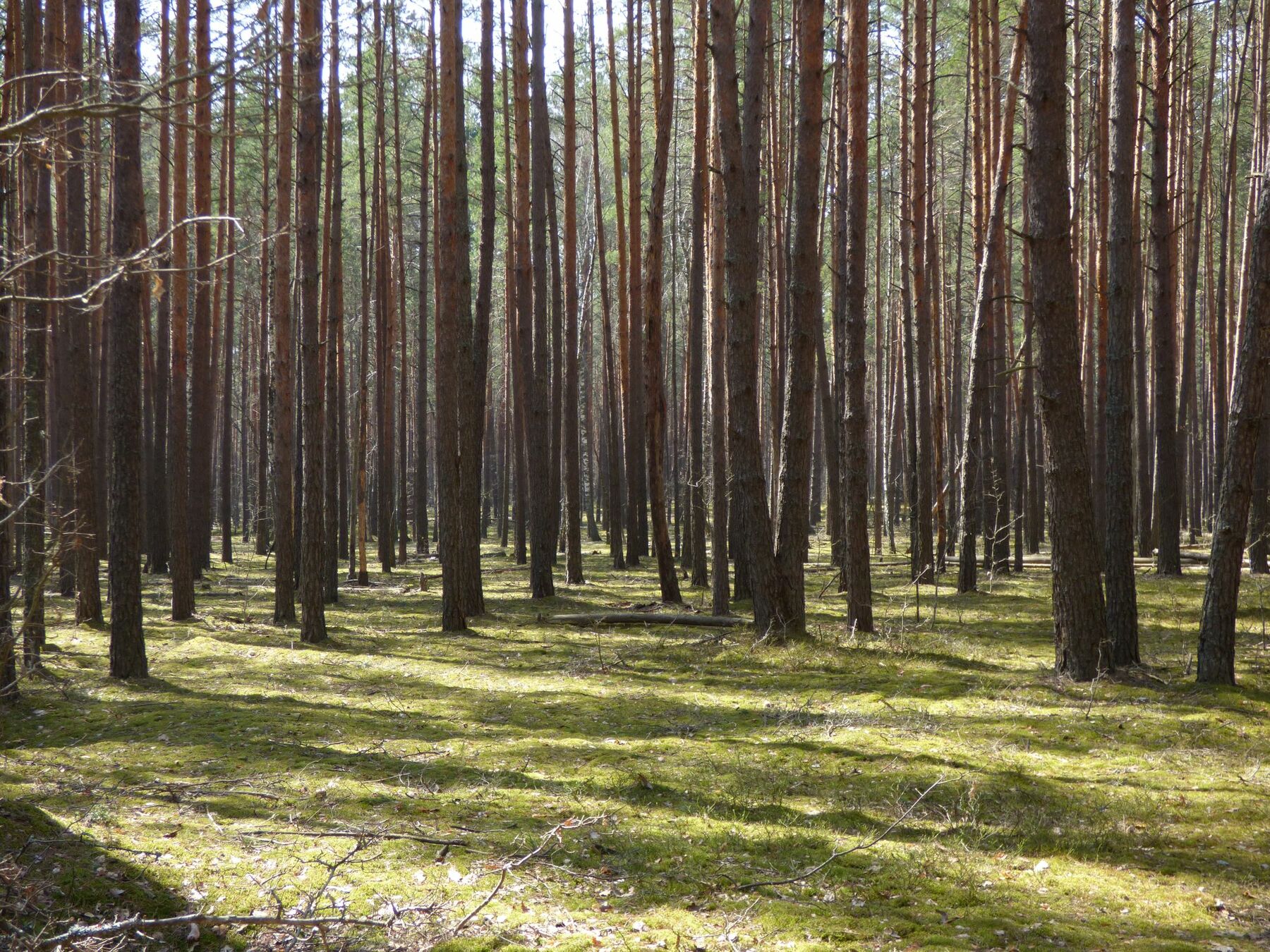
Water systems are further strained by intensive land-use practices across forests, farmland, and urban areas. Clear-cutting and monoculture forestry reduce vegetation diversity, root depth, and soil structure, all of which are critical for water retention and gradual release. In agricultural landscapes, soil compaction from heavy machinery, erosion, and the loss of organic matter decrease the soil’s infiltration capacity and water-holding potential. As a result, rainfall is less effectively absorbed and stored in soils and groundwater. Instead, more water flows rapidly over the surface and through drainage systems, increasing peak flows in rivers after heavy rain while reducing base flows during dry periods.
These simplified and overmanaged ecosystems are also far more vulnerable to climate extremes. Monoculture forests, in particular, are less resilient to drought, pests, and disease, and dry out more quickly under rising temperatures. As moisture regulation declines, the risk of large-scale forest fires increases, further accelerating water loss, soil degradation, and ecosystem collapse. Degraded ecosystems not only fail to buffer extremes but actively intensify the cycle of drought, fire, and flooding.